

Taylor
- Virginia Redlon
- Mar 13, 2018
- 2 min read

Updated: May 11, 2018
Taylor uses her time training her body to train her mind. Suffering from a unique neurological disorder, Misophonia, certain sounds and noises can trigger a fight in Taylor leading to intense anxiety.
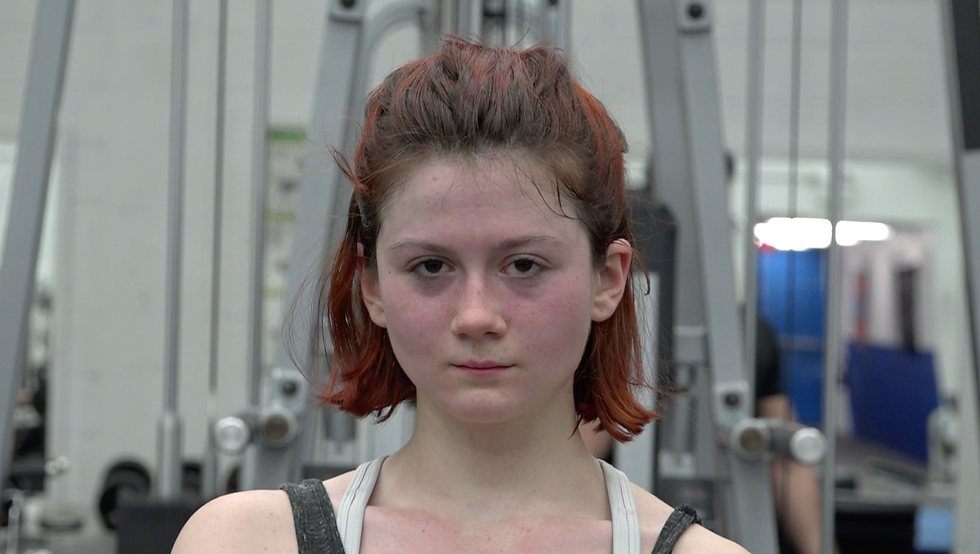
Growing up, whenever Taylor Weber felt her anxiety rising she looked to the therapeutic presence of the horses at her local stable. A strong rider, Taylor came very close to going professional quite a few times, competing at a high level but not quite making it there. While riding was therapeutic for Taylor, shows led to increased anxiety. With all eyes on her in the center of the ring, the ambient sounds of the arena triggered another response in Taylor.
Misophonia is a neurological condition where common noises - chewing, breathing, and tapping included - can lead to anxiety or anger in someone and cause a “fight-or-flight” response. For Taylor having this condition also includes most high-pitched noises or screeching.
As she moved up in the ranks, to higher shows, Taylor would feel shamed if she were to miss a training session or feel anxious during a show. “My trainer, as lovely as she was, would be like, “You have to stop and get over that.” Like, “You cannot go into that ring crying.” Because they will immediately dock you points for that,” Taylor said, “You were shamed, and literally punished for having a mental illness going on.”
While she now looks forward to gaining muscle weight-lifting in the gym, Taylor remembers the pressure she and her equestrian team had placed on them at a young age to look the part.
“It’s a lot like ballerina body image, I feel. Equestrians tend to have body image issues because we have to look a certain way.” She said, “We can’t just be good riders, you have to fit the aesthetic, just like your horse does. If your horse looks muscular and strong, you also have to look that way while also being impossibly thin.”
Coming from a sports family - her father worked at Yankee Stadium - Taylor grew up behind-the-scenes of and at baseball games, and she noticed early on the impact the stigma of mental health also had on male athletes. “There’s so much more posturing I’ve noticed, compared to women,” Taylor said, “And I think a lot of that is the way we tell men and women that they have to act, especially if they are playing sports. You’re supposed to be a certain way and you’re held to a higher standard, especially in professional sports. You’re kind of a celebrity.”
Despite these standards Taylor has noticed the start of a shift in society.
“There is the big #BellTalks movement on social media, and the Semicolon movement. I think that more people are trying to create a more open dialogue about it and make it less stigmatized,” she said, “The only way it’s ever going to change for athletes, especially professional and team sports, is if we talk about it and if we open up a discussion.”
Thank you Taylor for telling your story.

Comments